Efficient Watering Techniques for Hot Summers
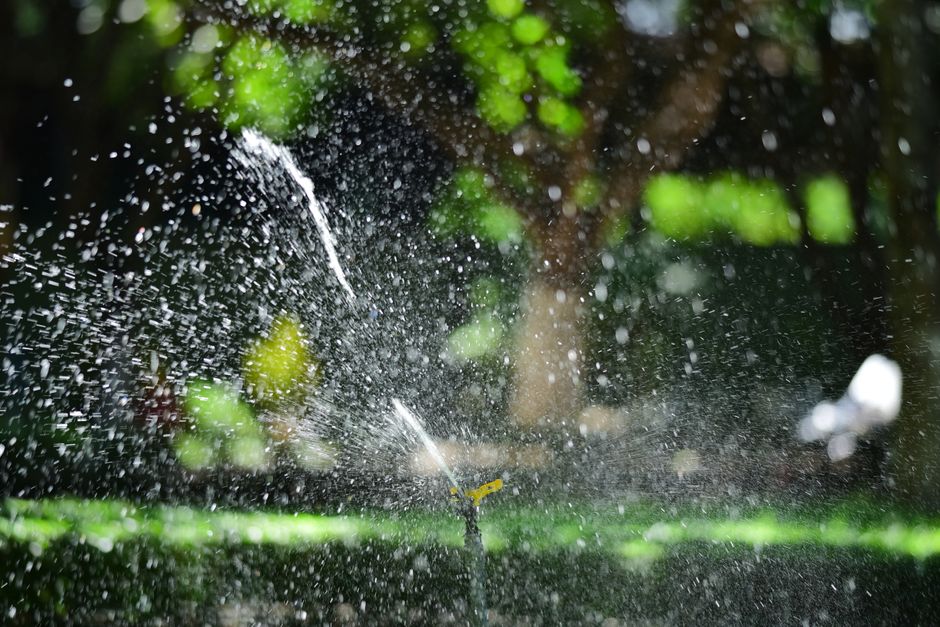
Watering gardens and landscapes during hot summer months presents a common challenge for many homeowners and gardeners. As temperatures rise and evaporation rates increase, maintaining adequate soil moisture while avoiding water waste requires a thoughtful approach. This article explores several efficient watering techniques that focus on deep watering, the use of rain barrels, and the implementation of drip irrigation systems. By understanding the principles behind these methods, gardeners can promote healthier root systems and make more sustainable use of water resources.
The goal is not to prescribe a one-size-fits-all solution but to provide a framework for evaluating and adapting watering practices to local conditions. Factors such as soil type, plant species, and microclimate all influence the effectiveness of any irrigation strategy. Through a combination of proper scheduling, appropriate technology, and an awareness of environmental constraints, it is possible to reduce water usage while supporting plant health. The following sections outline key concepts and practical considerations for implementing these techniques.
Understanding Deep Watering for Root Health
Deep watering is a method that involves applying water slowly and thoroughly to penetrate the soil to a greater depth, typically reaching the root zone of plants. Unlike frequent, shallow watering that only moistens the surface, deep watering encourages roots to grow downward in search of moisture. This results in a more extensive and resilient root system, which can better withstand periods of drought. The practice is particularly beneficial in hot summer months when surface soil dries quickly, and plants with shallow roots may suffer from water stress.
To implement deep watering effectively, one must consider the soil’s infiltration rate and the plant’s water needs. Sandy soils drain quickly and may require more frequent deep watering, while clay soils hold water longer but may need longer intervals to avoid waterlogging. A general guideline is to provide about one inch of water per week, either through rainfall or irrigation, but this can vary. Using a soil moisture probe or simple observation can help determine when watering is necessary. Inserting a screwdriver into the soil can indicate moisture depth; if it penetrates easily, the soil is likely moist several inches down.
One practical approach to deep watering is to use a slow-running hose placed at the base of the plant, allowing water to seep gradually into the soil. Moving the hose to different spots around the plant ensures even distribution. Another method is to create small basins or wells around plants to hold water, facilitating deeper percolation. For established trees and shrubs, a soaker hose wound around the root zone can deliver water slowly over several hours. The key is to water less frequently but more deeply, training roots to seek moisture at lower levels.
It is important to note that deep watering does not guarantee drought tolerance, as plant responses depend on species and environmental factors. However, it is a foundational practice that can improve the likelihood of healthy root development and reduce the plant’s dependence on frequent topsoil moisture. Gardeners should monitor their plants’ condition and adjust watering schedules based on observed stress signs, such as wilting or leaf discoloration, while remaining mindful of overwatering risks.
Implementing Drip Irrigation for Efficiency
Drip irrigation is a system that delivers water directly to the root zone of plants through a network of tubing, emitters, and valves. This method minimizes water loss due to evaporation and runoff, making it one of the most efficient ways to water gardens and landscapes. Unlike sprinklers that spray water over a large area, drip irrigation targets specific plants, ensuring that water reaches where it is needed most. This precision not only conserves water but also reduces weed growth by keeping soil surface dry between plants.
Installing a drip irrigation system can be done using various components, such as drip tape, soaker hoses, or individual emitters. The choice depends on the layout of the garden and the types of plants. For vegetable beds, drip tape or rows of soaker hoses can provide uniform moisture along the plant rows. For trees and shrubs, pressure-compensating emitters that deliver consistent flow regardless of terrain are often suitable. A typical system includes a backflow preventer, pressure regulator, filter, and tubing, with a timer or smart controller to automate watering schedules.
The benefits of drip irrigation extend beyond water savings. By keeping foliage dry, it reduces the incidence of foliar diseases that thrive in humid conditions. Additionally, because water is applied slowly, it allows for better soil penetration and less runoff on slopes. Drip systems can be customized with different emitter flow rates and spacing to match plant water requirements. Many municipalities offer rebates or incentives for installing water-efficient irrigation systems, making this approach both environmentally and economically attractive.
It is essential to regularly inspect and maintain drip lines to prevent clogging and leaks. Filters should be cleaned periodically, and emitters checked for proper function. Mulching around plants can further reduce evaporation and help regulate soil temperature, enhancing the efficiency of drip irrigation. While initial setup may require an investment of time and resources, the long-term benefits of reduced water use and healthier plants are significant. Gardeners should consider drip irrigation as a long-term strategy rather than a quick fix, and they can adapt it as their garden evolves.
Integrating Rain Barrels into Watering Practices
Rain barrels are containers that collect and store rainwater from rooftops via gutters and downspouts. This harvested water can be used for irrigation, reducing reliance on municipal water supplies and lowering utility bills. In hot summer months, rain barrels provide a supplemental water source that is often warmer and free of chlorine, which some plants may find beneficial. Moreover, using rainwater helps reduce stormwater runoff, which can carry pollutants into waterways.
Setting up a rain barrel involves placing a barrel under a downspout, with a diverter or filter to keep leaves and debris out. Most barrels have a spigot at the bottom for attaching a hose or filling watering cans. Some models have a overflow outlet to direct excess water away from the foundation. It is important to keep the barrel covered to prevent mosquito breeding and algae growth. Regular cleaning and winterization are necessary to extend the life of the barrel, especially in regions with freezing temperatures.
Rainwater can be used for various watering tasks, including watering containers, garden beds, and lawn areas. For efficient use, a drip irrigation system can be connected directly to the rain barrel, though a pump may be needed if the system requires higher pressure. Alternatively, a soaker hose can be attached to the spigot and laid along plant rows, providing slow, deep watering without electricity. The availability of rainwater is dependent on rainfall frequency, so rain barrels should be considered a supplementary source rather than a primary one.
Incorporating rain barrels into a watering regimen encourages a more sustainable approach to landscape management. It allows gardeners to make use of a free resource and reduces the demand for treated water. However, the volume of water stored is limited, and during extended dry spells, supplemental irrigation from other sources may be necessary. By combining rain barrels with drip irrigation and deep watering techniques, gardeners can create a resilient system that adapts to varying weather conditions.
Optimizing Watering Schedules and Techniques
Even with efficient watering methods, the timing and frequency of irrigation play a crucial role in water conservation. Watering early in the morning or late in the evening minimizes evaporation, allowing more water to reach the root zone. Wind speeds are typically lower during these times, reducing drift. In hot climates, early morning watering is often recommended because it allows foliage to dry quickly, reducing disease risk. However, the optimal time may vary based on the specific plants and local conditions.
Mulching is a complementary technique that helps retain soil moisture by reducing evaporation and suppressing weeds. Organic mulches, such as wood chips or straw, also improve soil structure as they decompose. A layer of 2-4 inches of mulch around plants can significantly reduce water needs. For vegetable gardens, row covers or shade cloth can provide additional protection from intense sun, further reducing water stress.
Grouping plants with similar water needs into zones is another strategy for efficient watering. This allows for tailored irrigation schedules that avoid overwatering some plants while underwatering others. For instance, drought-tolerant species can be placed together and watered less frequently, while moisture-loving plants receive more water. Adjusting watering schedules based on weather forecasts and soil moisture levels can prevent unnecessary irrigation after rainfall.
Ultimately, the most efficient watering strategy is one that is flexible and informed by observation. Gardeners should regularly check soil moisture and plant health, and be willing to adjust their practices. Using moisture sensors or smart controllers can automate some of these decisions, but a hands-on approach remains valuable. The techniques described in this article are not guarantees of success but are tools that, when used appropriately, can contribute to a more sustainable and effective watering regimen during hot summer months.