Essential Fall Cleanup Tasks for Your Garden
As the growing season winds down, gardeners face the annual task of preparing their beds for the colder months. Fall cleanup is not merely about tidiness; it is a strategic practice that sets the stage for a healthy spring. By removing debris, cutting back plants, and amending the soil, you can minimize the risk of overwintering pests and diseases. This article outlines a series of essential tasks that form a comprehensive fall cleanup routine.
The goal is to approach these tasks with a clear understanding of their purpose. Each step—from leaf removal to composting—plays a role in maintaining the ecological balance of your garden. While the work may seem straightforward, the method matters. Proper timing and technique can make the difference between a garden that thrives and one that struggles. The following sections will guide you through the key activities involved in preparing your garden for winter.
Removing Fallen Leaves
Fallen leaves are often seen as a nuisance, but they are a valuable resource if managed correctly. Left unchecked, a thick layer of leaves can smother the lawn, block sunlight, and trap moisture, creating an environment conducive to fungal diseases. Conversely, leaves that are shredded and spread as mulch can enrich the soil with organic matter. The key is to decide how to handle them based on your garden’s specific needs.
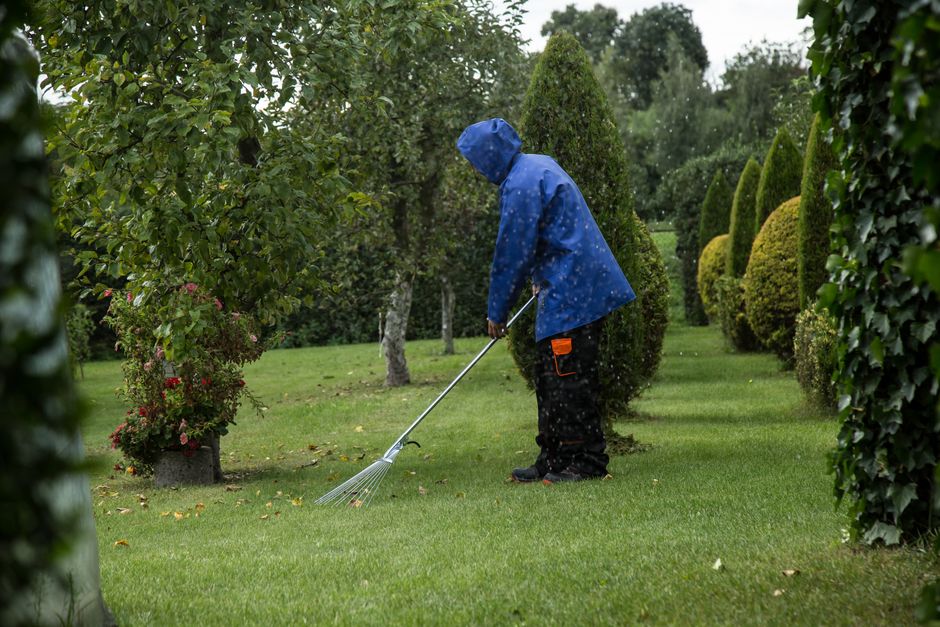
For lawn areas, it is generally advisable to remove or mulch leaves to prevent matting. Using a mulching mower can chop leaves into fine pieces that decompose quickly, returning nutrients to the grass. For garden beds, you have two options: collect leaves for compost or use them as a protective mulch. If you choose to use leaves as mulch, ensure they are shredded to avoid forming a dense, water-resistant barrier. Otherwise, rake them into piles and add them to your compost bin.
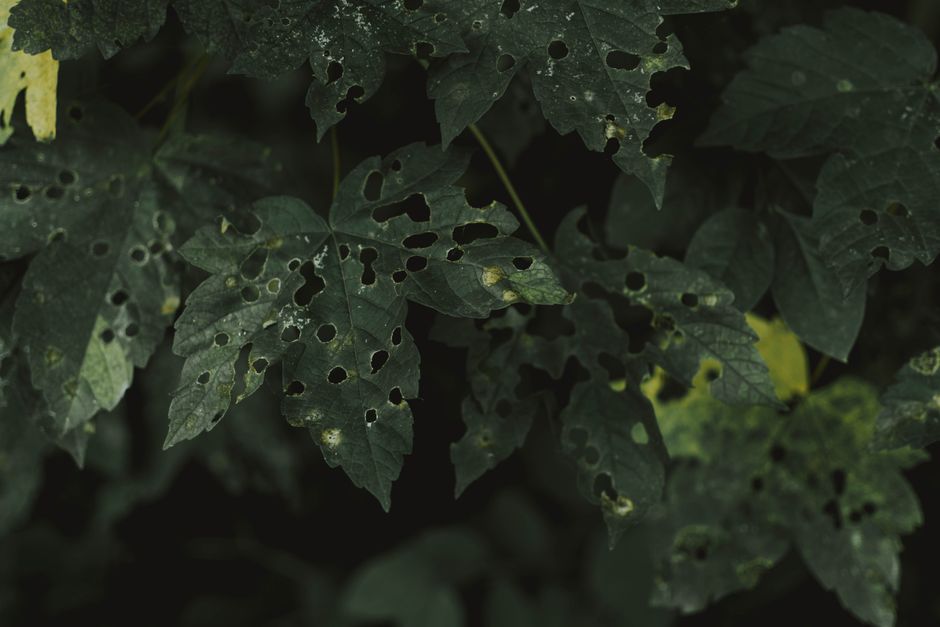
Timing is also important. Rake leaves when they are dry to make the task easier and to reduce the spread of allergens. Additionally, be mindful of leaves that may carry disease from plants like black spot on roses; these should be removed and disposed of, not composted, to avoid contaminating your compost pile. By managing leaves thoughtfully, you prevent potential disease issues and contribute to the health of your soil.
Trimming Perennials
Perennials require careful attention during fall cleanup, as different plants have varying needs. Some perennials, like hostas and daylilies, benefit from being cut back to the ground after a frost. This reduces the risk of rot and removes hiding places for slugs and other pests. However, not all perennials should be trimmed in the fall. Plants with attractive seed heads, such as ornamental grasses and coneflowers, provide winter interest and food for birds. Leaving them standing can also protect the crown from harsh winter weather.
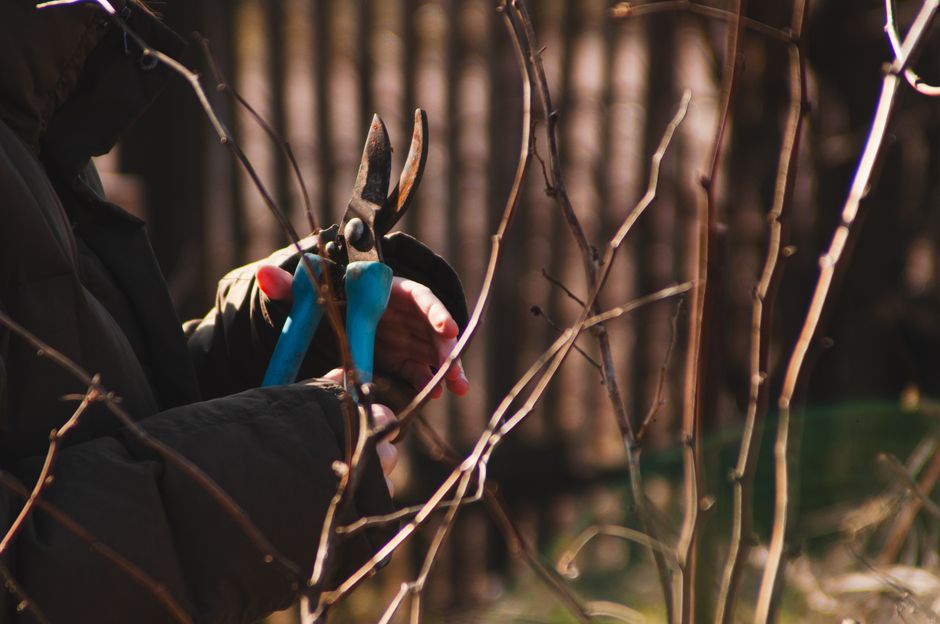
When trimming, use clean, sharp pruners to make clean cuts. Remove only the dead or damaged foliage, and avoid cutting into the crown. It is often recommended to leave about two inches of stem to mark the plant’s location and to provide some insulation. For plants that are prone to self-seeding, cutting them back can prevent unwanted seedlings in the spring.
The decision to trim also depends on your regional climate. In areas with harsh winters, leaving some foliage can help catch snow and provide extra insulation. In milder climates, cutting back earlier can reduce the chance of diseases. Always observe the specific needs of each plant and consider the overall design of your garden. By tailoring your trimming approach, you support the plant’s health and prepare it for robust growth in the spring.
Adding Compost
Fall is an ideal time to add compost to your garden beds. Compost enriches the soil with essential nutrients, improves its structure, and enhances its ability to retain moisture. When applied in the fall, compost has time to break down and integrate into the soil over the winter, making nutrients available to plants in early spring. This practice is particularly beneficial for heavy clay or sandy soils, as it improves drainage and aeration respectively.
Before applying compost, clear the soil of any weeds and debris. Spread a layer of compost about one to two inches thick over the surface of the beds. Avoid burying the base of perennial plants, as this could cause rot. Gently work the compost into the top few inches of soil using a garden fork, or leave it on the surface and let the soil organisms do the work. Incorporating compost at this time helps protect the soil structure from erosion caused by winter rains and wind.
If you maintain a compost pile, fall is also a good time to turn it and ensure it is balanced with a mix of green and brown materials. Adding leaves and plant trimmings from your cleanup provides a source of carbon. By adding compost now, you are investing in the long-term health of your soil, which supports vigorous plant growth and reduces the need for synthetic fertilizers. This practice aligns with sustainable gardening principles and contributes to a resilient ecosystem.
Protecting the Soil
Bare soil is vulnerable to erosion, nutrient leaching, and compaction during winter. Therefore, protecting the soil is a crucial aspect of fall cleanup. One effective method is to cover garden beds with a layer of organic mulch, such as straw, wood chips, or shredded leaves. This layer acts as a blanket, moderating soil temperature and preventing the freezing and thawing cycles that can damage plant roots. Mulch also suppresses weeds and conserves soil moisture.
Another approach is to plant cover crops, also known as green manures. These are fast-growing plants, such as winter rye or clover, that are sown in the fall and tilled under in spring. They not only protect the soil but also add organic matter and fix nitrogen. Cover crops are an excellent choice for vegetable gardens that would otherwise be left bare.
For ornamental beds, focusing on the use of mulch is often sufficient. It is important to apply mulch after the ground has frozen to prevent rodents from using it as a nesting site. Also, keep mulch away from the trunks of trees and shrubs to avoid moisture buildup. By taking these steps, you ensure that your soil remains healthy and productive, ready to support plant growth when the season turns.
Cleaning Tools and Beds
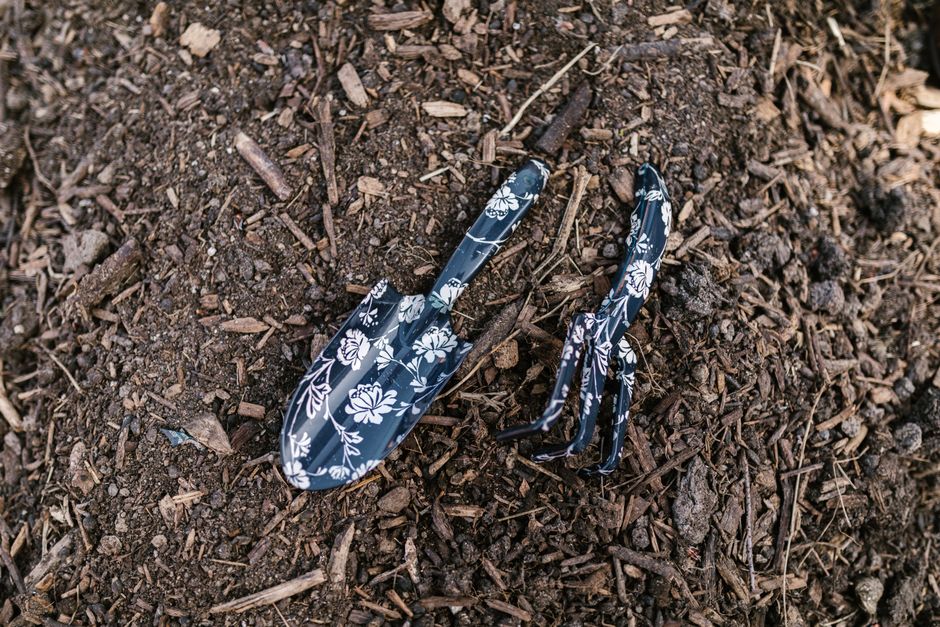
Fall cleanup is not complete without addressing the tools and equipment used throughout the year. Dirty tools can harbor pathogens that cause disease. Therefore, it is wise to clean, sanitize, and sharpen your gardening tools before storing them for the winter. This process not only extends the life of your tools but also ensures they are ready for use in the spring. Start by removing any soil or plant residue, then wash with water and a mild disinfectant. After drying, apply a light coat of oil to metal parts to prevent rust.
In addition to tools, clean up the beds themselves by removing spent plants, cages, stakes, and other supports. These can be stored in a dry place to prevent rust and decay. Also, dispose of any diseased plant material properly—do not compost it, as pathogens may survive. Designate a separate area for discarding such residue, or use municipal yard waste collection if available.
Good housekeeping in the garden reduces the risk of pests and diseases overwintering. By removing potential harborage, you discourage insects and rodents from taking shelter in your garden. This practice complements the other cleanup tasks and contributes to a healthier start in the spring. Remember to also clean your garden gloves and other accessories to keep everything in good condition.
Final Considerations
Fall cleanup is a process that requires reflection on the season’s successes and challenges. Each task, from leaf removal to soil protection, is part of a larger strategy to maintain garden health. It is important to note that the outcomes of these practices are not guaranteed, as they depend on various environmental factors such as weather conditions and existing soil health. Nevertheless, a thorough cleanup sets the stage for a productive growing season.
As you embark on your fall cleanup, consider keeping records of what you did and how your garden responded. This information can help you adjust your approach in future years. Additionally, consider the impact of your actions on local wildlife. While some tasks, like removing all leaves, may be necessary, leaving a few piles can provide habitat for beneficial insects. Balancing thoroughness with ecological awareness leads to a garden that is both beautiful and functional.