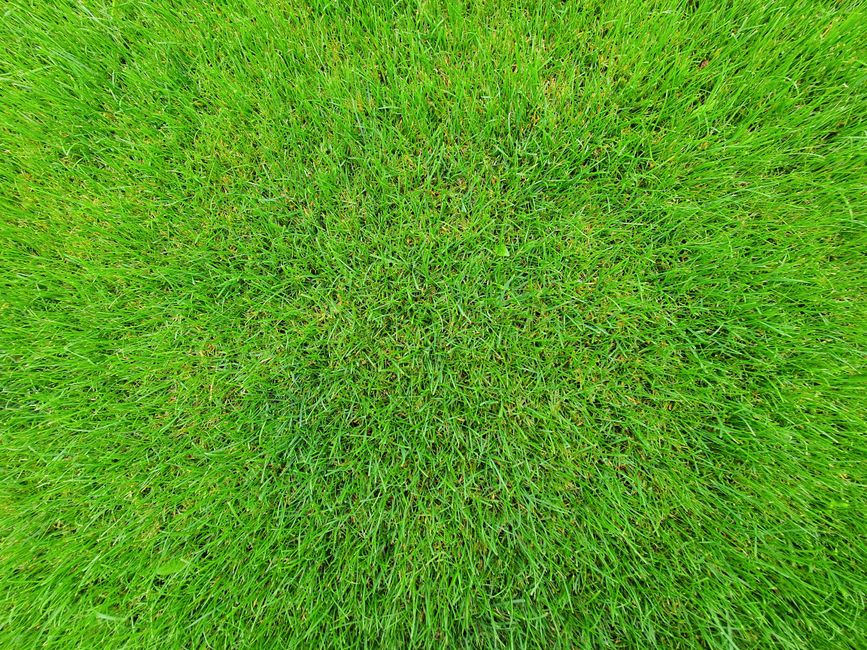
Detailed close-up of fresh green grass with a bright and natural texture.

GreenScape Solutions

A resource for lawn care and gardening advice. Practical tips to maintain a healthy garden all year.

GreenScape Solutions: Lawn and Garden Care FAQs

  • 1When is the best time to water my lawn?
    Early morning is generally recommended to reduce evaporation and allow the grass to dry before evening. However, the optimal timing may depend on local climate and soil conditions.
  • 2How often should I mow my grass?
    Mowing frequency depends on growth rate and season. It's often best to cut no more than one-third of the grass blade at a time, adjusting the schedule based on weather and lawn health.
  • 3What are natural methods for pest control in the garden?
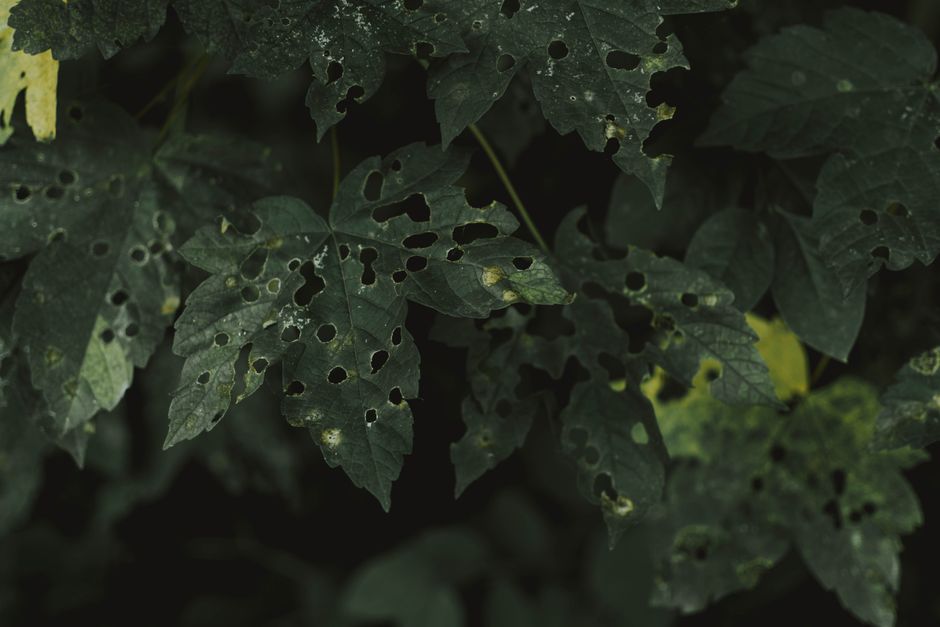
    Natural pest control can involve introducing beneficial insects, using organic sprays, and encouraging biodiversity. The choice of method may vary with the type of pest and the garden's ecosystem.
  • 4How do I prepare my garden for winter?
    Preparing for winter might include clearing debris, mulching, and selecting hardy plant varieties. The specific steps can depend on the local climate and the types of plants in your garden.
  • 5What should I consider when choosing plants for my region?
    Factors like local climate, soil type, and sunlight exposure are important. Also, consider native species as they may be better adapted to local conditions and require less maintenance.

Year-Round Lawn and Garden Care

At GreenScape Solutions, we understand that maintaining a healthy garden requires understanding the changing needs of your lawn and plants throughout the seasons. While specific conditions vary by region, certain practices can support robust growth and resilience. This resource outlines general approaches to watering, mowing, plant selection, and pest management that you can adapt to your local environment.

Seasonal Considerations

  • Spring: Assess soil health and consider aeration or dethatching based on your lawn’s condition.
  • Summer: Adjust watering schedules to account for heat and dryness, and mow at a higher setting to reduce stress.
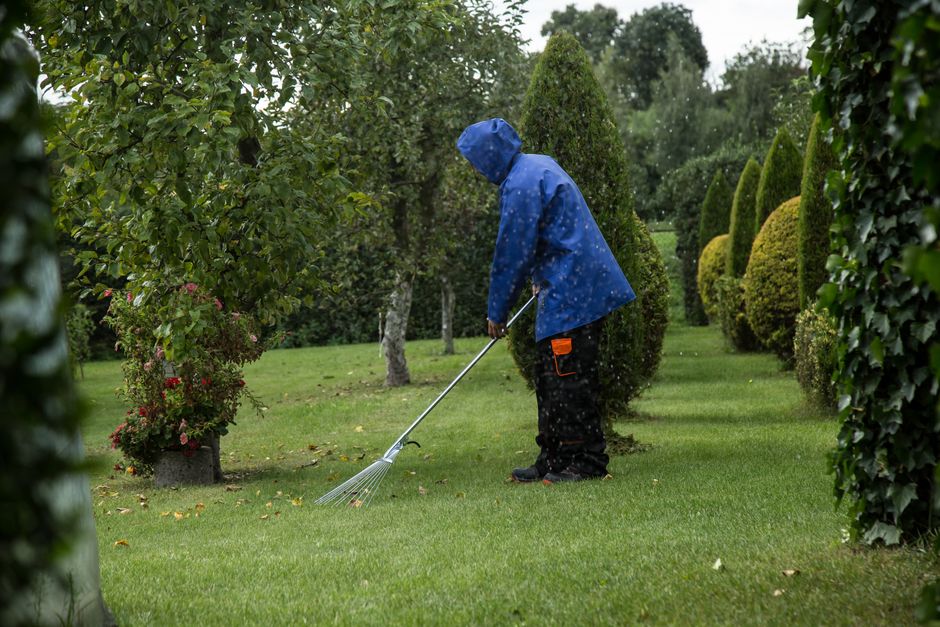
  • Autumn: Rake leaves to prevent buildup that can smother grass, and apply a fall fertilizer if your soil test indicates a need.
  • Winter: Minimize foot traffic on dormant lawns and protect sensitive plants with mulch or covers.

Effective watering involves deep, infrequent sessions rather than frequent shallow watering. This encourages deeper root growth, but the exact frequency depends on soil type and rainfall. Observing your garden’s moisture levels and adjusting accordingly is key. Similarly, pest management benefits from monitoring and early intervention, using methods that are least disruptive to the garden’s natural balance.

Choosing plants that are well-suited to your local climate can reduce the need for extra water, fertilizer, and pest control. Native species are often more resilient, but many non-native options also adapt well when given appropriate care. Ultimately, a successful garden is the result of continuous observation and gentle adjustments, not a one-size-fits-all formula.