Natural Remedies for Preventing Garden Pests
Garden pests are a common challenge for both novice and experienced gardeners. While chemical pesticides offer a quick solution, many gardeners are turning to natural methods that work in harmony with the environment. These approaches focus on prevention, cultural practices, and ecological balance rather than reactive treatments. By understanding the relationships between plants, insects, and the broader ecosystem, it is possible to create a garden that is resilient to pest outbreaks.
This article explores two key natural strategies: companion planting and organic sprays. These methods are not only effective when used correctly but also contribute to a healthier garden environment. Additionally, we will discuss how increasing biodiversity can support a balanced ecosystem, reducing the likelihood of pest damage. By incorporating these practices, gardeners can cultivate a thriving garden while minimizing their reliance on synthetic chemicals.
The Role of Biodiversity in Pest Management
Biodiversity is the foundation of a healthy garden ecosystem. A diverse garden includes a variety of plants, insects, birds, and soil organisms, all interacting in complex ways. This diversity creates natural checks and balances, making it harder for any single pest species to dominate. When a garden is biodiverse, it provides habitats and food sources for beneficial insects, such as ladybugs, lacewings, and parasitic wasps, which prey on common pests like aphids and caterpillars.
Plant diversity also helps to confuse and repel pests. Some plants emit volatile compounds that mask the scent of host plants or act as natural deterrents. For example, aromatic herbs like rosemary and thyme can deter certain beetles and flies. By interplanting a variety of species, gardeners can reduce the concentration of preferred host plants, making it more difficult for pests to locate and colonize them.
In addition to above-ground benefits, biodiversity improves soil health. Diverse root systems enhance soil structure and nutrient cycling, supporting robust plant growth. Healthy plants are better able to withstand pest damage, as they have stronger defenses and can recover more quickly. Therefore, fostering biodiversity is a fundamental step in any natural pest prevention strategy.
Companion Planting: A Strategic Approach
Companion planting involves placing certain plant species near each other to provide mutual benefits, such as pest repellence, trapping, or attracting beneficial insects. This practice is based on observed plant interactions and has been used for centuries across various cultures. Effective companion planting requires careful planning and consideration of plant needs, growth habits, and pest pressures.
One common approach is to use repellent plants, which emit strong scents that mask the presence of nearby crops or repel pests outright. For example, marigolds are often planted with tomatoes to deter nematodes, while nasturtiums are used to attract aphids away from other plants, serving as a trap crop. Similarly, planting alliums like onions and garlic near carrots can help confuse the carrot fly, as the strong onion scent disrupts the pest’s ability to find its host.
Another method is to attract beneficial insects that prey on pests. Plants such as dill, fennel, and yarrow produce small flowers that provide nectar and pollen for parasitic wasps and hoverflies, which then lay eggs near aphid colonies. The resulting larvae feed on aphids, keeping populations in check. To effectively use companion planting, gardeners should research the specific pests affecting their crops and select companion plants that address those issues. It is also important to rotate companion plantings annually to prevent pest adaptation.
While companion planting is not an exact science, it has been shown to reduce pest damage in many cases. It is most effective when combined with other cultural practices, such as crop rotation and proper spacing. Gardeners should experiment with different combinations to find what works best for their unique conditions.
Organic Sprays: DIY Solutions for Pest Control
Organic sprays offer a targeted approach to pest control without the harsh effects of synthetic chemicals. These sprays are typically made from natural ingredients, such as oils, soaps, and plant extracts, and they work by suffocating, repelling, or disrupting pests. They are generally safe for beneficial insects when used properly, though it is always advisable to apply them in the early morning or evening when beneficial insects are less active.
A simple and effective spin spray can be made from dish soap and vegetable oil. To prepare, mix one tablespoon of mild liquid soap with one tablespoon of vegetable oil and dilute in one quart of water. This emulsion can be sprayed on plants to smother soft-bodied pests like aphids, mites, and whiteflies. The soap breaks down the pests’ outer cuticle, causing dehydration, while the oil helps the mixture adhere to the leaves. It is essential to test the spray on a small area first, as some plants may be sensitive to soap or oil.
Another popular option is a garlic or hot pepper spray. These ingredients contain compounds that repel pests and can be prepared by steeping crushed garlic or chili peppers in water overnight, then straining and spraying the solution on plants. Such sprays are particularly useful against chewing insects and can also discourage larger pests like deer and rabbits. However, they may need to be reapplied after rain.
For more persistent issues, neem oil is a well-established organic remedy. Derived from the neem tree, this oil acts as an insect growth regulator, disrupting the life cycle of many pests. It is effective against a wide range of insects, including beetles, caterpillars, and leaf miners. Neem oil must be diluted with water and a small amount of dish soap to emulsify. It should be used with caution, as it can also affect beneficial insects if applied during bloom periods.
When using any organic spray, it is important to follow the instructions carefully and apply at the appropriate times. Sprays are most effective when pests are first noticed, and repeated applications may be necessary. Additionally, spraying during the heat of the day can cause leaf burn, so it is best to apply in the cooler hours.
Integrating Cultural Practices for Long-Term Prevention
Beyond companion planting and organic sprays, several cultural practices can significantly reduce pest pressure. Crop rotation is one of the most effective methods for breaking pest life cycles. By moving plant families to different locations each year, gardeners can prevent pests that overwinter in the soil from finding their host plants. For example, if you grow tomatoes in a particular bed one year, rotate them to a different bed the following year to avoid soil-borne diseases and pests that target the same family.
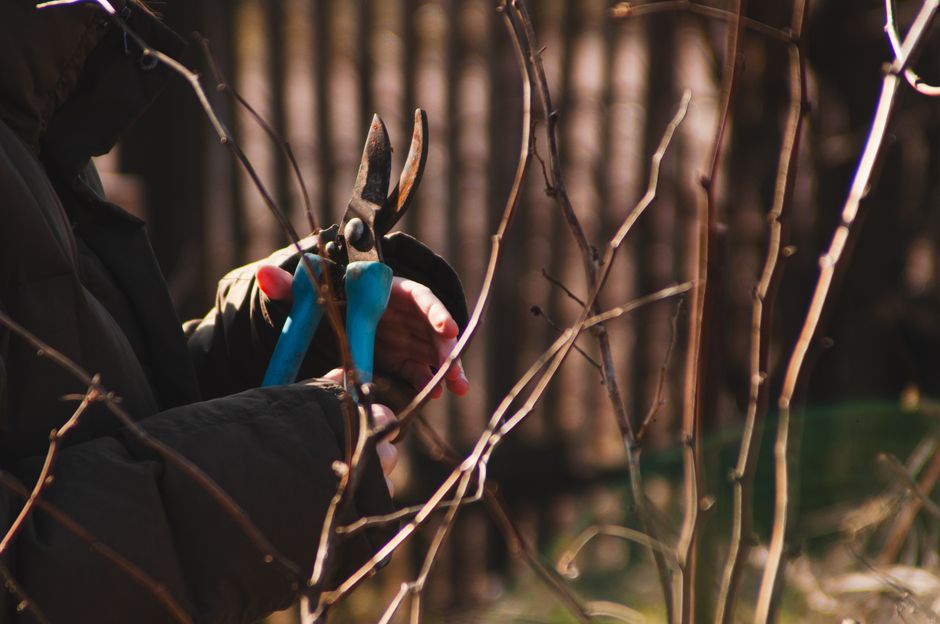
Proper plant spacing and pruning also play a role. Good air circulation reduces humidity, which can discourage fungal diseases and certain pests that thrive in moist conditions. Regular inspection of plants for signs of pest damage allows for early intervention, making it easier to manage outbreaks before they escalate. Removing affected leaves or plants can help contain the spread.
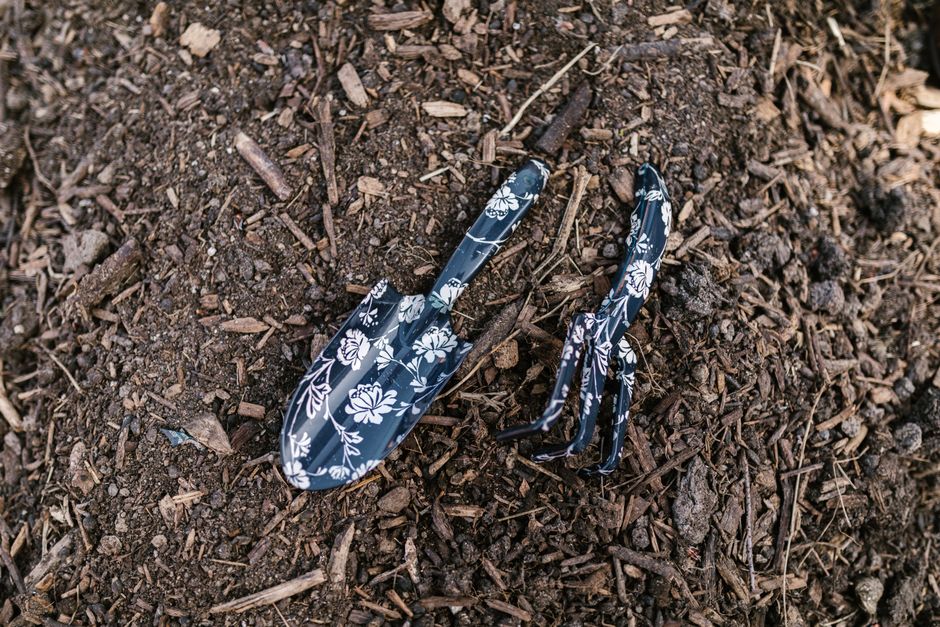
Mulching is another beneficial practice. Organic mulches, such as straw or wood chips, retain soil moisture and suppress weeds, which can harbor pests. Mulch also provides habitat for ground beetles and other predators that feed on pest eggs and larvae. However, it is important to keep mulch away from plant stems to prevent rot and slug harborage.
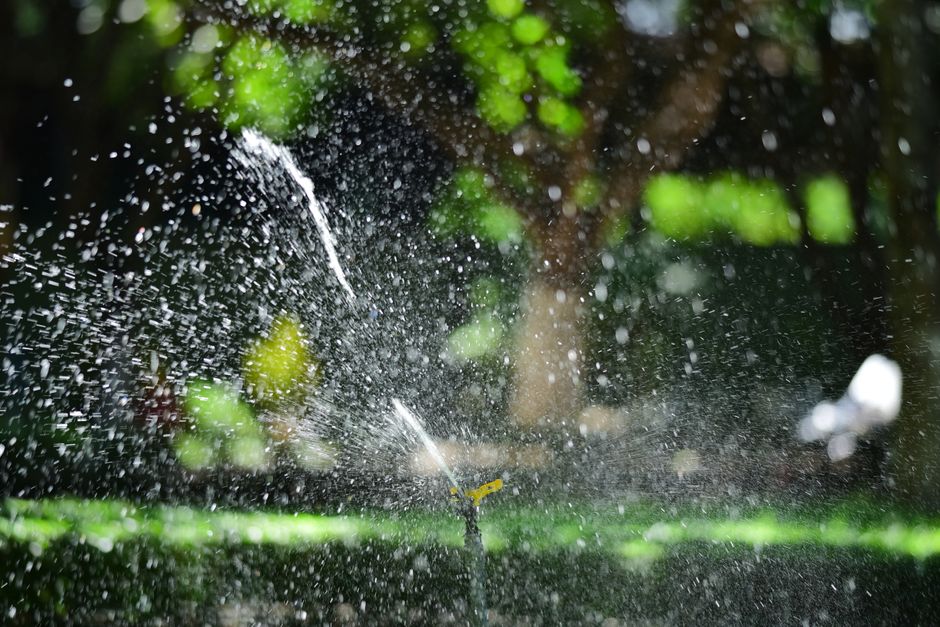
Watering practices can also influence pest populations. Overhead watering can splash soil-borne pathogens onto leaves, while watering at the base reduces this risk. Drip irrigation is particularly effective in minimizing moisture on foliage, thereby reducing conditions favorable for diseases and some pests.
By combining these cultural practices with companion planting and organic sprays, gardeners can create a holistic pest management plan. This integrated approach not only addresses immediate problems but also builds long-term resilience in the garden ecosystem.
A Balanced Ecosystem: Working with Nature
Ultimately, the goal of natural pest prevention is to achieve a balanced ecosystem where pests are kept at acceptable levels without eradication. This balance requires time and patience, as ecosystems are dynamic and self-regulating. Gardeners who adopt this philosophy often observe an increase in beneficial wildlife, such as birds, frogs, and insects, which contribute to pest control.
Increasing biodiversity can be accomplished by planting native species, which provide food and shelter for local beneficial organisms. Native plants are adapted to the local climate and soil, making them more resilient and supportive of a wide range of wildlife. Additionally, creating habitats such as rock piles, log piles, and water features can attract beneficial insects and amphibians.
Another way to enhance biodiversity is to avoid broad-spectrum pesticides entirely, as these can kill beneficial insects and disrupt the entire food web. Instead, spot-treat affected areas with organic sprays as needed. This targeted approach minimizes collateral damage and allows beneficial populations to recover.
It is also important to accept some level of pest presence. Many pests are part of the natural food chain, and their presence supports the predators that keep them in check. A zero-tolerance approach often leads to more problems, as it eliminates the natural controls. By focusing on plant health and ecosystem resilience, gardeners can reduce their reliance on interventions altogether.
In summary, natural pest prevention is a multifaceted approach that involves understanding ecological principles and implementing a variety of strategies. Companion planting, organic sprays, cultural practices, and biodiversity enhancement all contribute to a healthy garden. While no method guarantees complete freedom from pests, adopting these practices can significantly reduce pest issues and create a more sustainable gardening experience.
Gardening is not just about controlling pests; it is about fostering an environment where all organisms can thrive in balance.